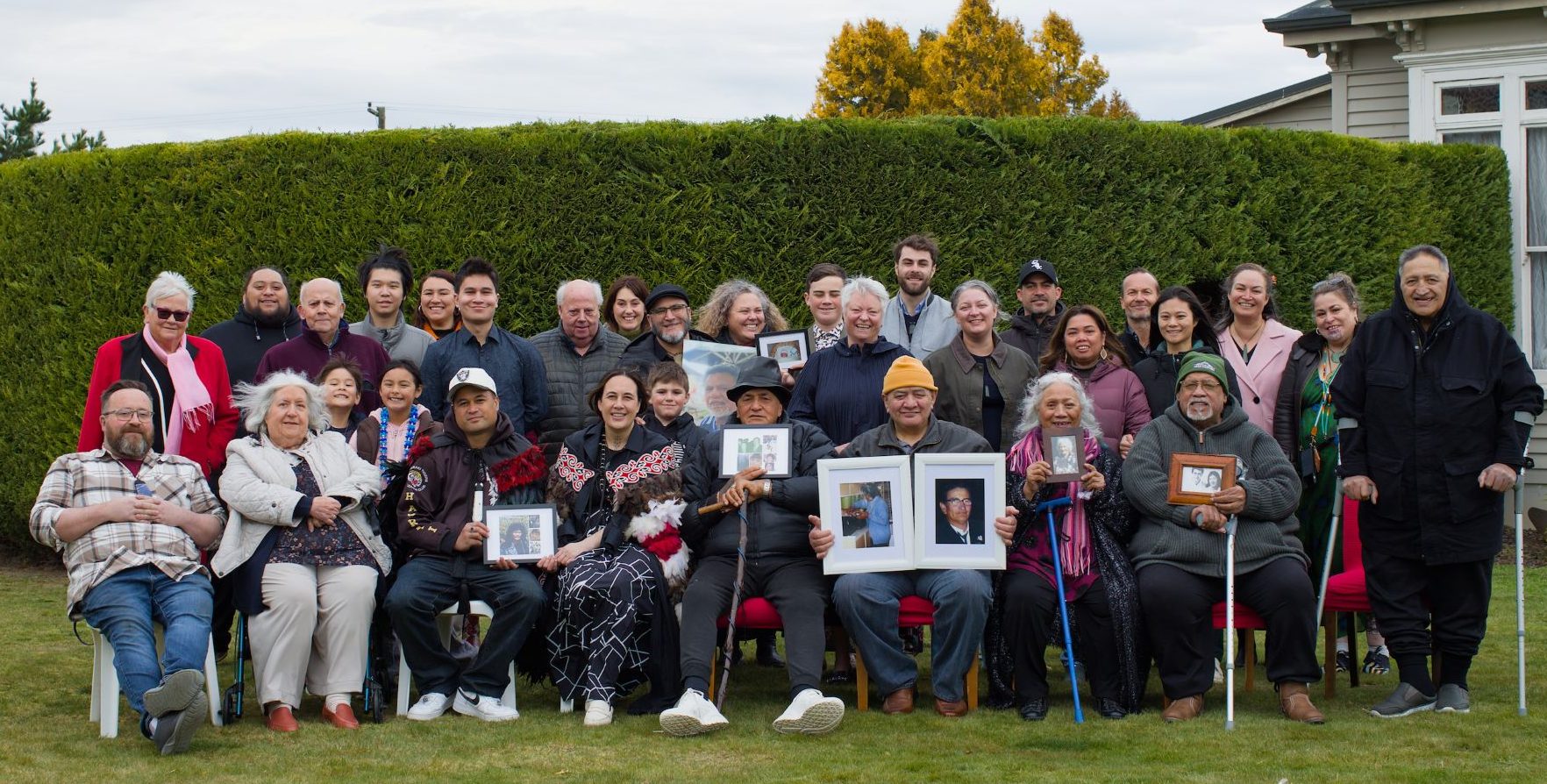
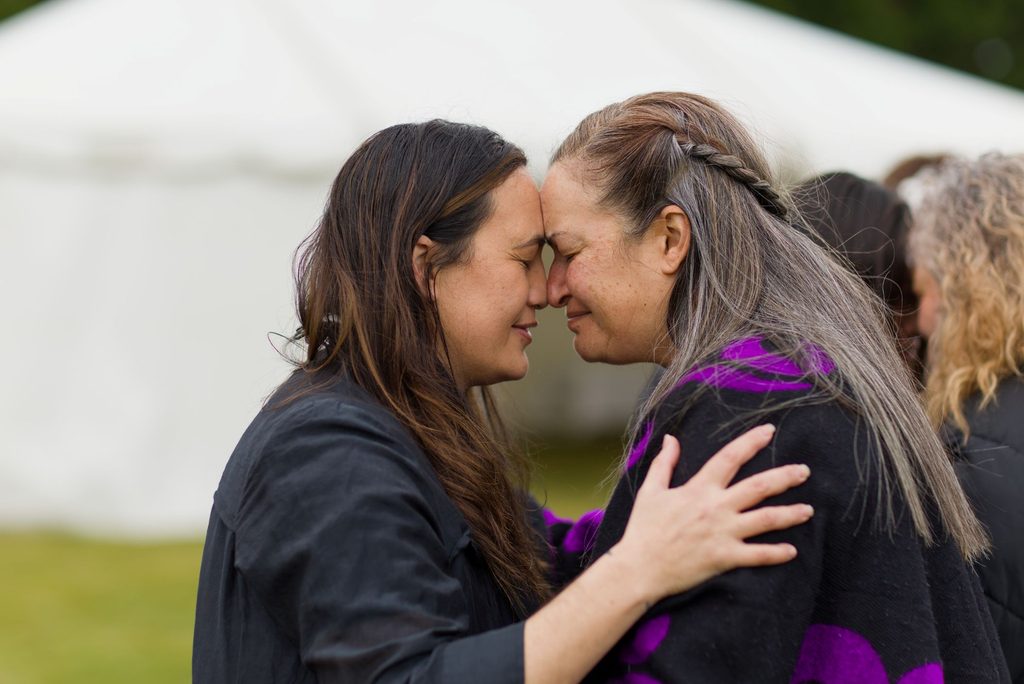
On 22 August 2026, surrounded by whānau and friends in Ōtautahi, I reclaimed the ingoa Paraku.
On the surface, whakaingoatanga might be understood as the reclaiming or bestowing of a name. For me, it was much more than that. It was an act of identity, belonging and whakapapa. But perhaps most importantly, it was kaupapa ora – something deliberately undertaken to create and strengthen life, connection and wellbeing.
I came into this world as an adopted, whāngai baby. Like many people whose lives have crossed different whānau, communities and worlds, my story has never fitted neatly into a single box. There are the people who raised me, the people whose blood runs through me, the people who found me, the people who have walked alongside me, and those who have become whānau through aroha, friendship and shared experience.
My whakaingoatanga did not require me to choose between any of them. Instead, it created a place in which those different parts of my story could come together.
That distinction matters.
Reclaiming identity can sometimes be misunderstood as looking backwards, or as drawing a tighter line around who belongs and who does not. My experience was almost the opposite. The reclamation of Paraku created another connection. It strengthened the taura between me and my whakapapa without loosening any of the other taura that have shaped my life.
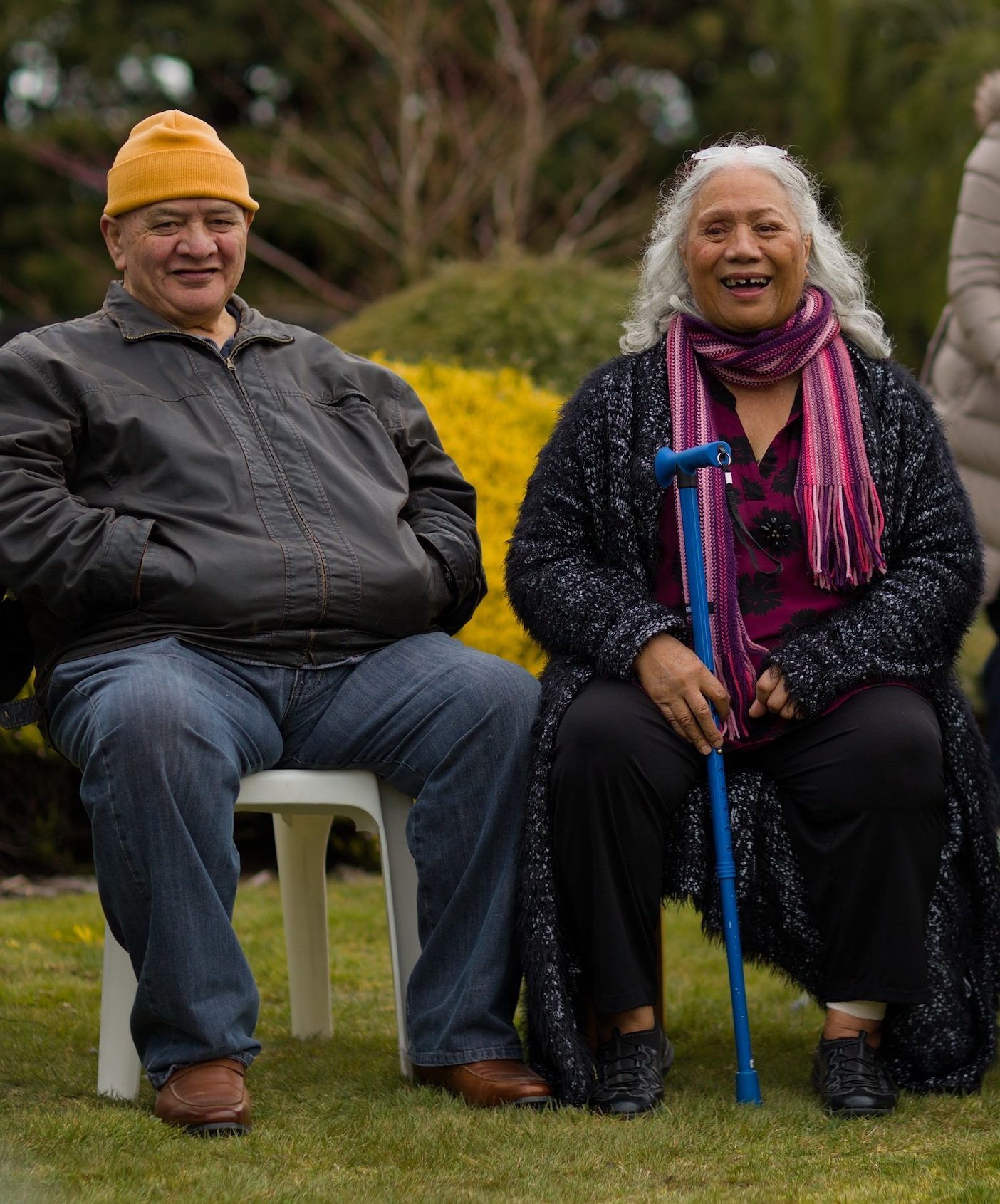
On that day, different whānau stood together. Different generations stood together. Different whakapapa stood together. Friends stood alongside family. People carrying different experiences and worldviews occupied the same space, while tikanga gave us the architecture to hold all of it.
Whakapapa was spoken. Waiata were sung. Korowai were exchanged between whānau as a physical expression of connection. Stories were shared. Those who had gone before us were remembered and brought into the space with us. And at the centre of it all was something remarkably simple and incredibly powerful: people choosing to come towards one another.
That is why I think of whakaingoatanga as kaupapa ora.
For me, ora is not simply about the wellbeing of an individual. Our wellbeing exists within relationships – with our identity, our whakapapa, our whānau, our whenua, our histories, our communities and one another. When those connections have been interrupted, the pathway forward can require deliberate acts of reconnection.
Reclaiming an ingoa can be one of those acts. Learning your whakapapa can be one. Returning to whenua can be one. Sitting with kaumātua and listening can be one. Reclaiming a language that has been interrupted can be one. Making space to understand and respect somebody else’s worldview can be one too.
These things matter because identity and belonging are not abstract concepts. They shape how we understand ourselves, but they also shape how we understand our relationship and responsibility to others.
And perhaps this is where the lesson from our whakaingoatanga extends beyond my own story and our own whānau.
We live in a world that increasingly encourages us to define ourselves through difference: Māori and non-Māori, left and right, old and young, rural and urban, Indigenous and technological, traditional and contemporary. Yet the world I experience is far more interconnected than those binaries suggest.
Across my mahi I move between iwi, technology, governance, economic development, education, emergency management and communities with very different histories, experiences and worldviews. Again and again, I see that some of our greatest possibilities exist in the connections between us.
That does not mean making everyone the same. Nor does connection require people to surrender their identity, culture, history or worldview. It means creating spaces strong enough for different identities, knowledge systems, experiences and perspectives to stand alongside one another, while still recognising what is distinctive and precious within each of them.
I think of this as an ecosystem.
A healthy ecosystem does not derive its strength from every part being identical. Its resilience comes from diversity, relationship, reciprocity and connection. Each part has its own place and purpose, but it is the relationships between those parts that allow the whole system to live.
Perhaps our communities are not so different.
My whakaingoatanga was deeply personal, but the whakaaro I carry from it is much wider. Reclamation does not have to mean exclusion. Identity does not have to create distance. Tradition does not have to compete with the future. Belonging somewhere does not require us to stop belonging to the other people and places that have loved, raised and shaped us.
Sometimes reclaiming something that was interrupted creates more room around us, not less. It can deepen our understanding of whakapapa while extending our understanding of whānau. It can strengthen identity while increasing our responsibility to others. It can reconnect generations while creating new relationships for the generations still to come.
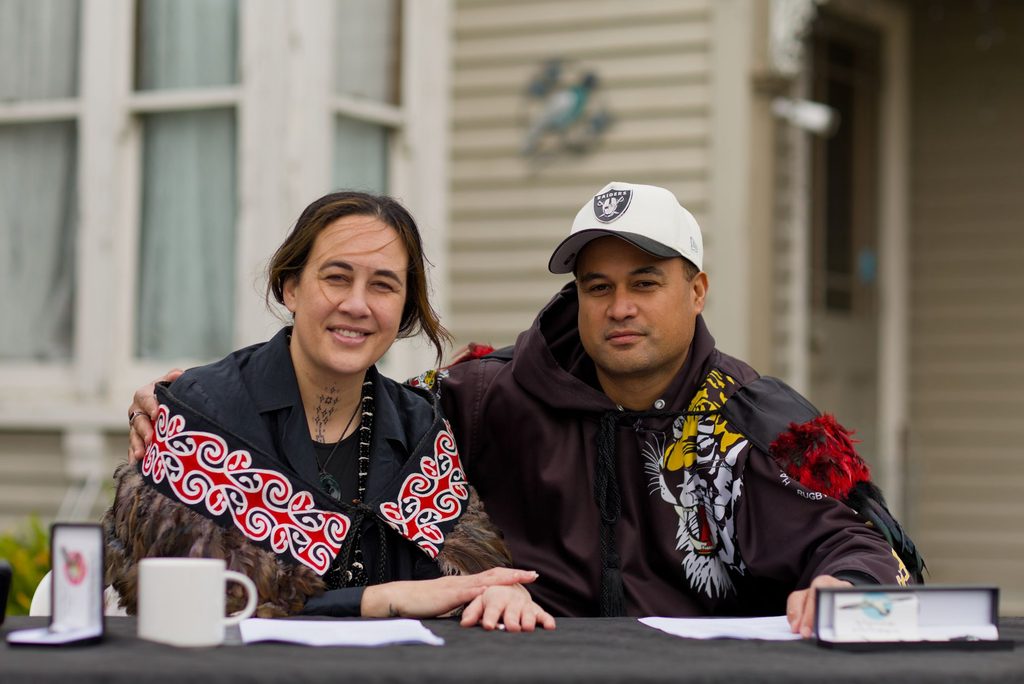
That was what I saw in Ōtautahi – and it was awesome to experience it with my brother (right) and of course the ones who raised me, my parents (left).
We gathered to reclaim an ingoa, but what unfolded was something much larger. Whānau connected with whānau. Friends became part of the story. Different whakapapa and worldviews shared the same space. Those who had come before us were present alongside those who will come after us. The past was not being recreated for its own sake; it was being carried deliberately into the future.
For me, that is what kaupapa ora can look like.
It is not simply about remembering who we are. It is about using that knowledge to strengthen how we live, how we connect, how we care for one another, and what we leave for those who follow.
Ko wai au – who am I – matters deeply. But perhaps there is another question we should be asking alongside it: who might we become, when we choose to be connected?
I have come to think of the spaces I work across as my multiverse. Not a collection of roles, but a living network of people, systems, knowledge and r...
Quantum readiness is no longer simply about preparing for a more powerful computer. It is about designing architectures capable of sustaining trust as...
Quantum isn't waiting somewhere in the future to arrive. Its infrastructure, standards, security models, talent pipelines and sovereign capabilities a...