I’ve been sitting with an uncomfortable observation.
Looking at the world right now, our systems, our incentives, our messaging – it feels as though our species is no longer contributing to life, but consuming it.
We are inhabiting the host, Life itself, and extracting what we need, faster than we can give back.
Our dominant philosophies reward growth without sufficiency. Our systems reward efficiency without care. Our processes externalise harm. Our narratives celebrate innovation while ignoring consequence.
This is not what participation in a living system looks like. It is what extraction looks like.
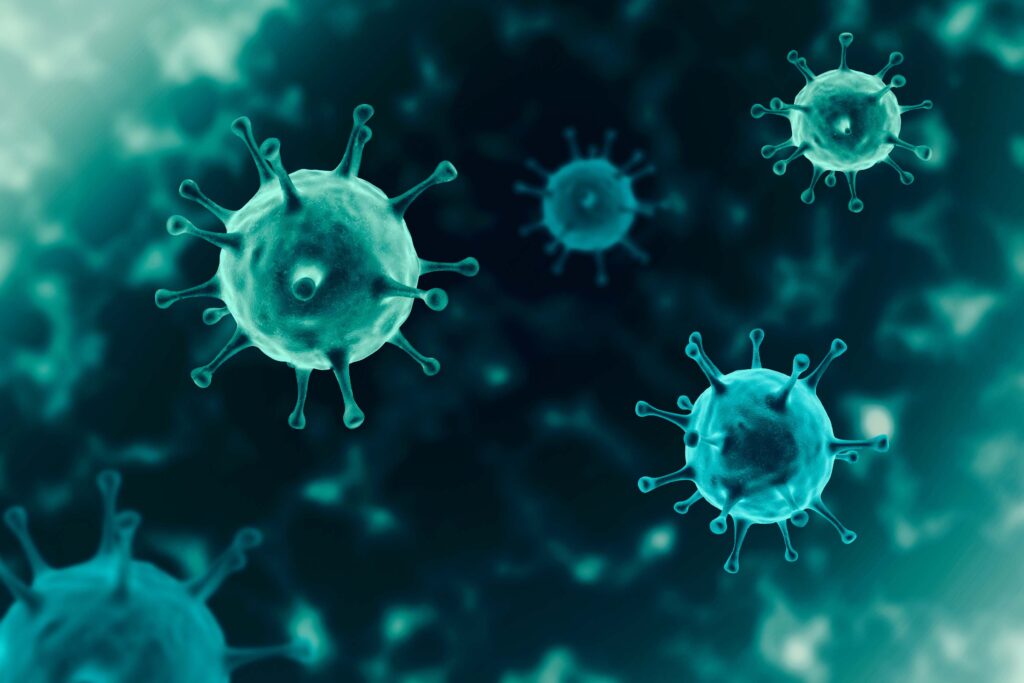
Like a virus, we are not asking: How do we sustain the host? We are asking: How much more can we take?
I te ao Māori, redesign does not begin with innovation, it begins with whakapapa. Until we remember who we are responsible to, every new system will simply extract more efficiently.
I don’t share this to be dramatic or defeatist. I share it because recognising a pattern is the first step to interrupting it.
Humans are capable of guardianship. Of restraint. Of long memory. Of acting on behalf of those not yet born.
But our current intent – embedded in our economies, technologies, and power structures – is moving us away from life, not toward it.
The question for this year is simple, and confronting:
Are we willing to redesign our systems so that life, not extraction, becomes the measure of success?
I have come to think of the spaces I work across as my multiverse. Not a collection of roles, but a living network of people, systems, knowledge and r...
Whakaingoatanga is about more than reclaiming a name. It is an act of identity, belonging and whakapapa - and for me, it was also kaupapa ora: a delib...
Quantum readiness is no longer simply about preparing for a more powerful computer. It is about designing architectures capable of sustaining trust as...